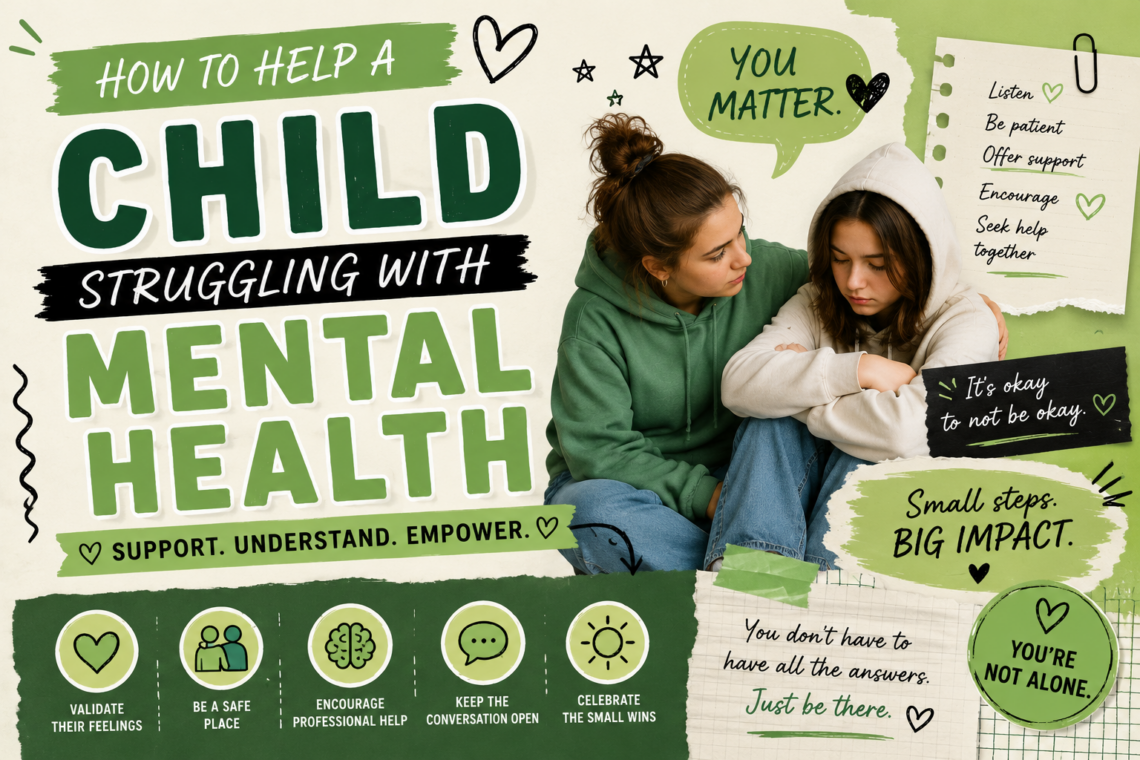
When you first hear your child struggling with mental health say they are not okay, the moment feels heavy. So in that small moment, the weight becomes clear, because they trusted you enough to share their pain.
Their voice might tremble.
Their eyes might avoid yours.
They may whisper feelings they have hidden for weeks.
Listening with your full heart is the strongest first step.
Children need to know that their emotions matter.
They need to feel safe, supported, and never judged.
Your reaction shapes how they cope and how they continue reaching out.
Why Listening Helps Your Child Heal
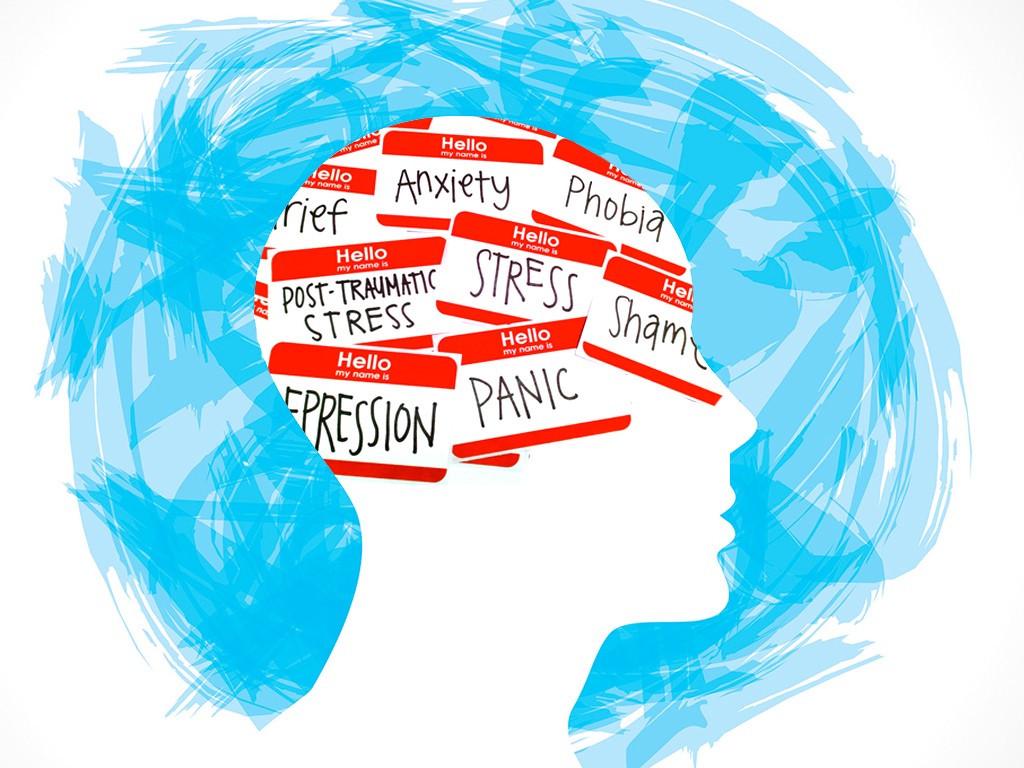
Mental health struggles can show up in many different ways.
Some kids withdraw, act out or cry often.
In fact some hide everything until they can’t anymore.
When they finally open up, you receive a brave message.
Their words say, “Please hear me.”
Listening says, “You are not alone, and your feelings are real.”
Listening also builds trust.
Kids speak more openly when parents respond with patience, empathy, and calm reassurance.
By listening without judgment, you help them understand that their emotions deserve care.
How to Talk to Your Child With Care
You do not need perfect words. You only need honesty, gentleness, and patience.
Try saying:
- “Thank you for telling me.”
- “I want to understand what you feel.”
- “You are not in trouble.”
- “Your feelings matter to me.”
- “I am here with you.”
Ask open questions that encourage sharing.
Try, “Can you tell me when these feelings started?”
Avoid comments that shut them down or minimize their pain.
Never say, “It’s not that serious,” or, “You’re overreacting.”
These words hurt more than you might realize.
Validation supports your child’s confidence and healing.
Dismissal makes them feel unheard and unsafe.
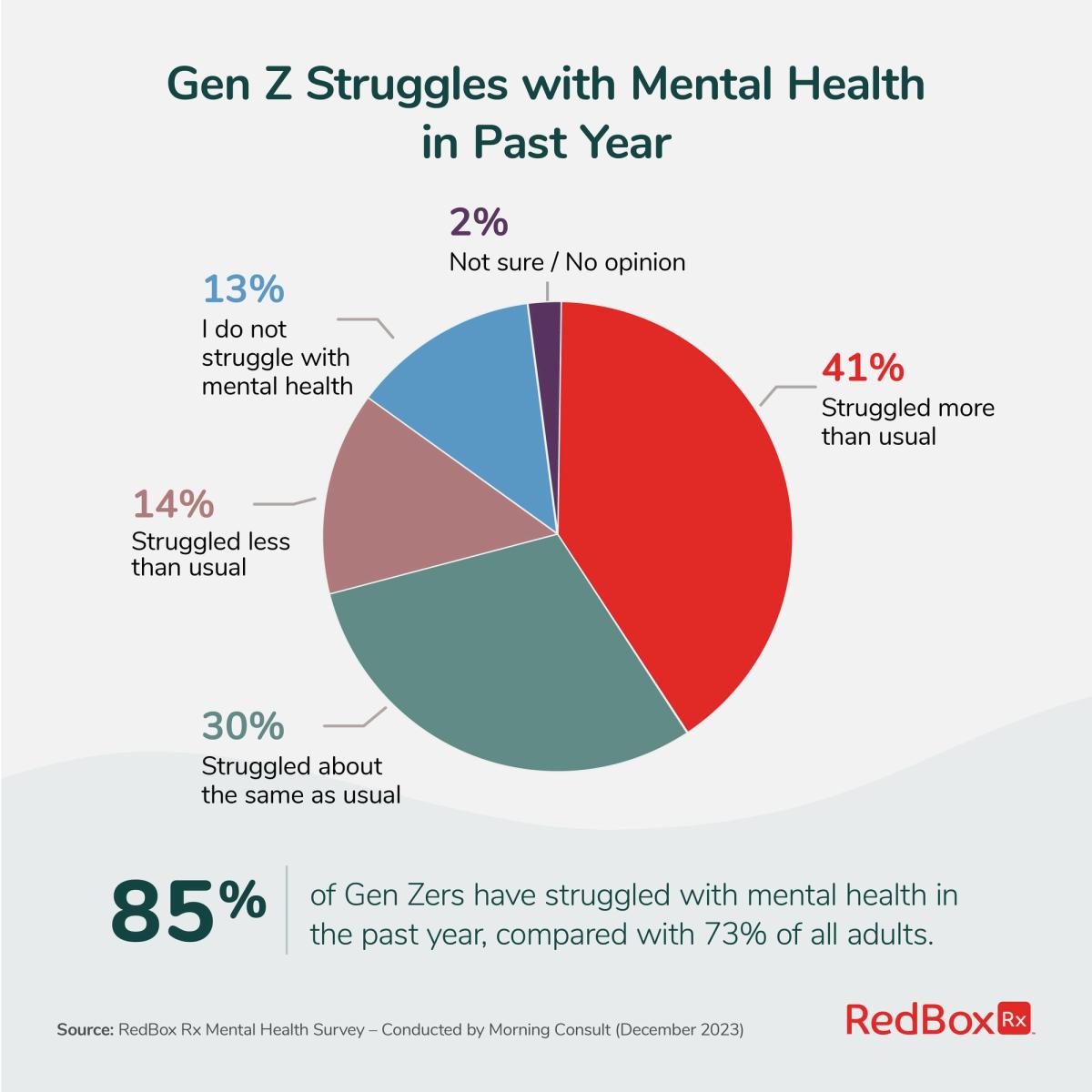
What You Can Do as a Parent
Your child needs support, not perfection. Here are steps that truly help:
1. Create a calm, safe space
Children open up easier in relaxed moments.
Car rides, bedtime, or quiet walks help them speak freely.
2. Check in regularly
Ask gentle questions often.
“Are you doing okay today?”
“Do you want to talk later?”
Consistent check-ins show steady support.
3. Watch for emotional or behavioral changes
Isolation, mood swings, anger, or sleep changes can signal deeper struggles.
Take these signs seriously.
4. Normalize mental health care
Tell your child that therapy is normal.
Explain that many people seek support.
Reassure them that getting help is strong and brave.
5. Avoid belittling their feelings
Your child’s world is different from yours.
Their stress can feel overwhelming.
Speak with kindness and avoid shame.
Support them with calm guidance.
6. Model healthy coping skills
Show them how you handle stress.
Deep breathing, calm conversations, and mindful breaks teach stability.
Who You Can Contact for Help
You never need to navigate this alone.
Many services support parents and children.
Immediate Crisis Support
- 988 Suicide & Crisis Lifeline: https://988lifeline.org
- Crisis Text Line: Text HOME to 741741 or visit https://www.crisistextline.org
Professional Support
- Your child’s pediatrician
- A licensed therapist
- A school counselor
- A psychiatrist, if needed
- Your insurance provider for in-network mental health services
Supporting a Child Through Their Struggle
Your compassion is powerful.
Your child benefits from calm, comfort, and steady love.
Whether they are a child struggling with mental health or simply feeling overwhelmed, your presence brings safety.
Offer hugs, patience, routine, and positive encouragement.
Show them they matter.
Help them believe they deserve help, hope, and healing.
Your Love Is the Anchor They Need
Your child does not need a perfect parent.
They need a present parent.
Your willingness to listen, understand, and stay by their side can reshape their entire journey.
When they say they are struggling, stop, breathe, and listen.
Your response may become the moment that helps them feel safe again.
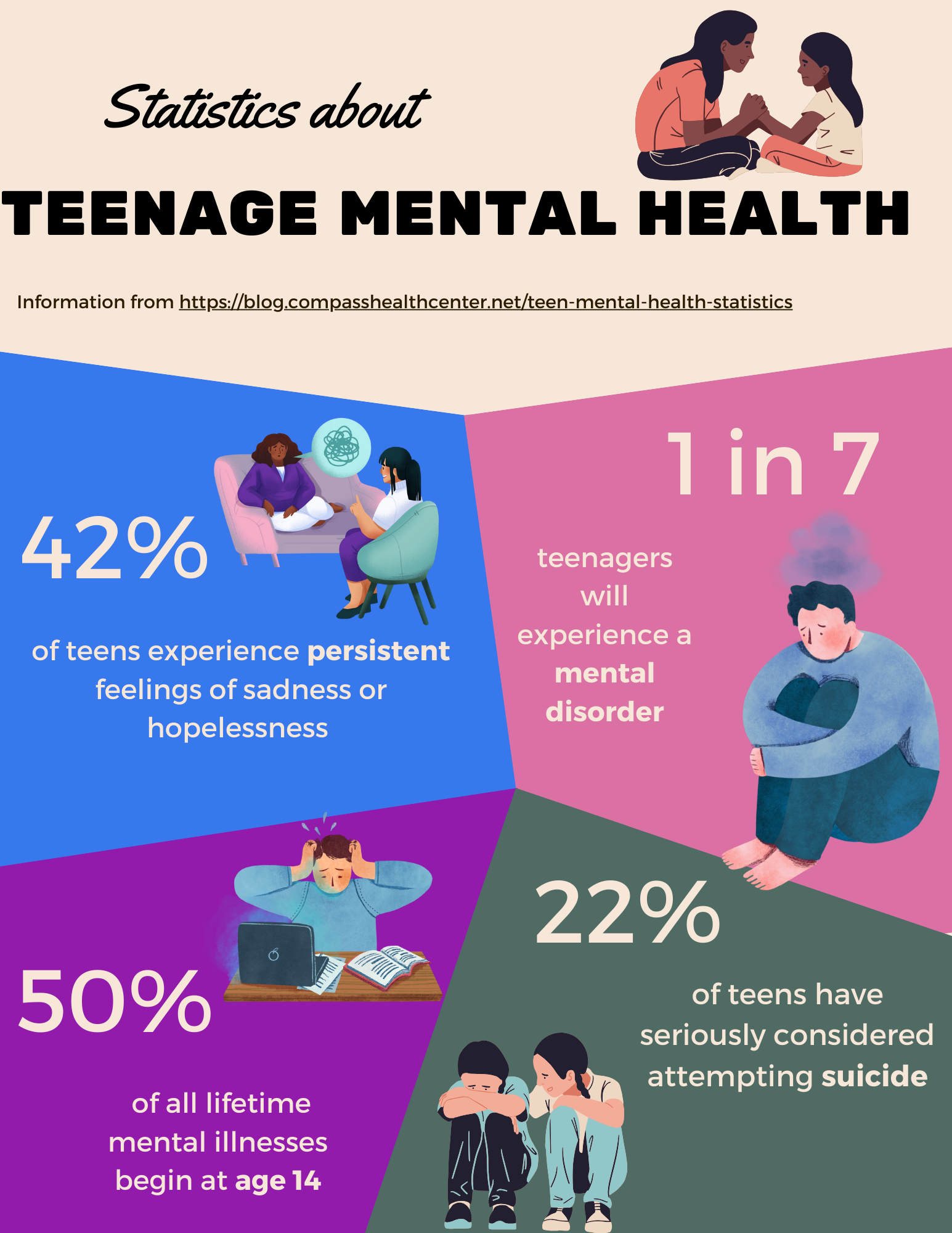
Helpful Nonprofits
These nonprofits offer tools for families, emotional support, and youth resources:
- NAMI: https://www.nami.org
- Child Mind Institute: https://childmind.org
- The Trevor Project: https://www.thetrevorproject.org
- Mental Health America: https://www.mhanational.org
- Born This Way Foundation: https://bornthisway.foundation
They offer guides, hotlines, community groups, and parent support.
If you or someone you know has a child struggling with mental health, please reach out for help immediately.
You are never alone in this, and support is always available. You can contact the 988 Suicide & Crisis Lifeline for 24/7 support at https://988lifeline.org. Or text HOME to 741741 to reach the Crisis Text Line. If the child is in immediate danger, call 911 or go to the nearest emergency room. Professional counselors, pediatricians, school support teams, and mental health nonprofits can also provide guidance and resources. Reaching out is a brave and loving step toward healing.